Protect Your Innovation
Establish a patent position for qualifying inventions and protect the technical contribution through the applicable patent system.
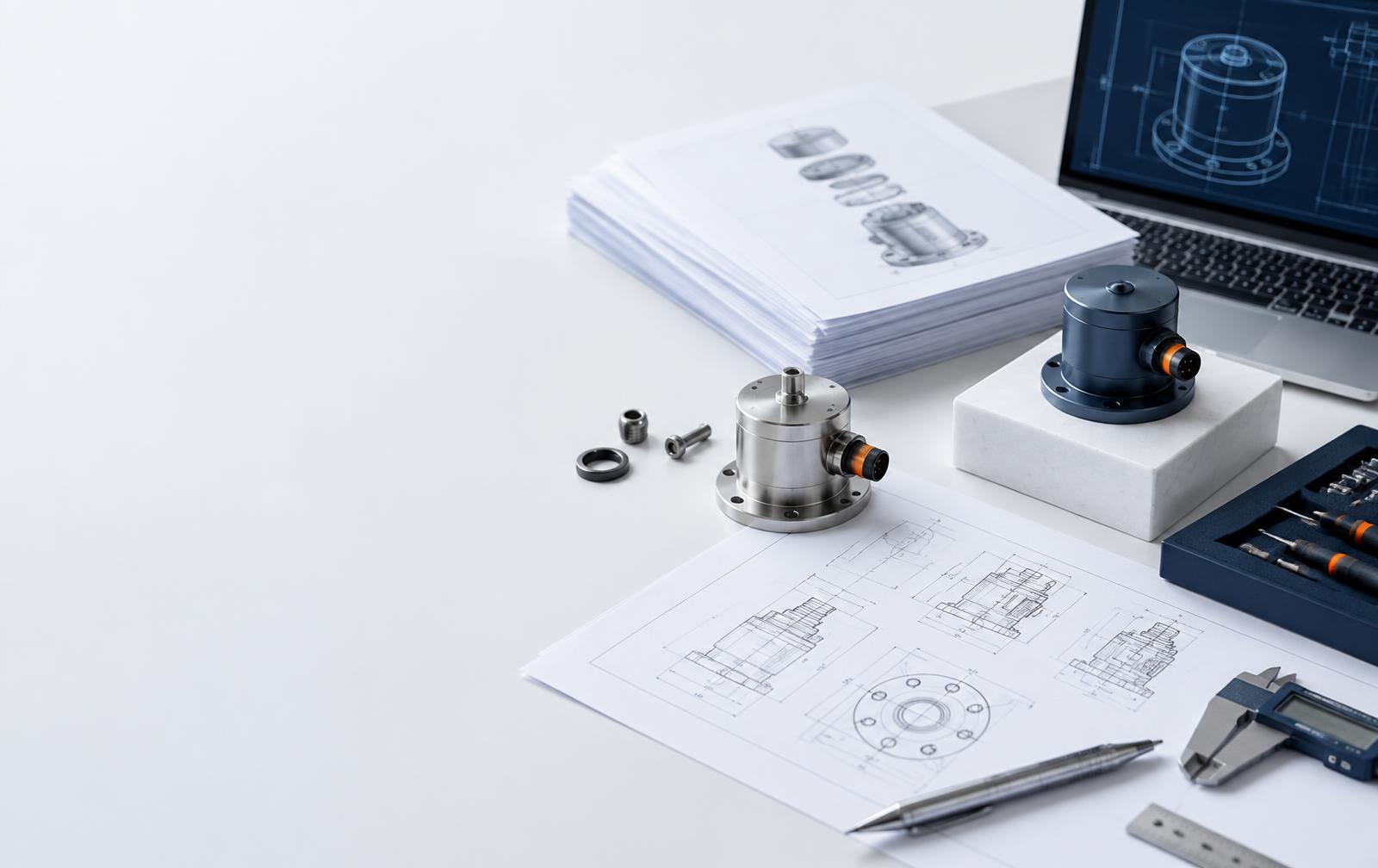
From idea to patent protection
Have an invention? Protect it before you take it to market.
Your invention could become your next business opportunity, breakthrough product or competitive advantage. Protecting it at the right stage is essential.
Hashi IP Solutions helps inventors, startups and businesses navigate patent searches, application drafting and patent filing—from the initial invention disclosure to a complete patent specification.
Conceptual invention-development imagery · not an actual patent or client filing
The commercial case
Establish a patent position for qualifying inventions and protect the technical contribution through the applicable patent system.
Create an intellectual property asset that can support market positioning and your wider business strategy.
A well-planned filing strategy can inform discussions with investors, partners and potential licensees.
Evaluate filing options before publicly demonstrating, publishing or disclosing potentially patentable subject matter.
Patent filing does not guarantee grant, enforceability, investment or commercial success.
Protection strategy
01
Describe the technical problem, solution, working principles, distinguishing features, drawings and potential variations.
02
Evaluate novelty, inventive step and industrial applicability, alongside eligibility and other jurisdiction-specific requirements.
03
Research relevant patents and non-patent literature to understand earlier disclosures and potential patentability issues.
04
Consider development stage, disclosure plans, target markets and the available technical detail before choosing a filing route.
05
Prepare the specification, claims, abstract and drawings as applicable, and coordinate filing with the relevant patent office.
06
Address examination reports and objections through the applicable prosecution process, with authorised professionals where required.
Early-stage filing
A provisional specification is not itself a granted patent.
It does not guarantee a filing benefit for inadequately disclosed subject matter. Requirements, deadlines and consequences vary by jurisdiction.
In India, Section 9(1) requires a complete specification within 12 months of the application filing date for the applicable provisional route; otherwise the application is deemed abandoned.
Indian Patents Act · Section 9Complete specification
Claims are particularly important: they define the legal scope of protection being sought, subject to examination and applicable law. The description and embodiments must support that scope.
Our patent drafting services connect technical disclosure, claim strategy and specification quality review.
Get Complete Specification Drafting SupportExplore complete specification filingSPECIFICATION STRUCTURE
Compare filing routes
| Parameter | Provisional specification | Complete specification |
|---|---|---|
| Typical stage | Early development, with a sufficiently described technical invention | Sufficiently developed for detailed disclosure |
| Purpose | An initial filing route where appropriate | Sets out the invention and claims for examination |
| Technical detail | Describes the invention as disclosed at filing | Detailed description supporting the claimed invention |
| Claims | Not required in the same manner as a complete specification in India | Claims are required and define the scope sought |
| Further action | Complete specification must follow within the applicable period | Publication and examination under the applicable process |
| Filing strategy | Useful where early filing is appropriate and disclosure is adequate | Appropriate when a complete disclosure can be prepared |
The right route depends on the invention, available disclosure, jurisdiction and applicant’s objectives. A provisional filing is not a substitute for a complete patent application.
Help Me Choose the Right Filing RouteStep-by-step filing guide
01
Prepare an internal account of the invention, inventors and development stage. We help clarify the technical contribution through an agreed disclosure process.
02
Identify the distinguishing technical features. We review potential eligibility and patentability questions for the intended jurisdiction.
03
Provide known references and technology context. We investigate relevant earlier disclosures and explain the implications within the search scope.
04
Identify target markets, launch plans and previous disclosures. We help plan the filing route and coordinate local professional involvement where needed.
05
Prepare technical explanations, variations and drawings. We structure the provisional or complete specification and develop claims where applicable.
06
Confirm applicant details, approvals and required documents. We coordinate filing and review the filing acknowledgement; filing is not grant.
07
Keep contact details and filing instructions current. We help track applicable publication and examination steps, requests and deadlines.
08
Review objections and provide technical clarification. We support response preparation and amendments, subject to applicable law and authorised representation.
09
Approve the agreed response strategy. We support subsequent prosecution; grant depends on satisfying the patent office’s requirements, not merely filing.
Filing and grant are distinct. No search, drafting service or application filing guarantees a patent grant.
Prepare internally
Do not publicly disclose potentially patentable subject matter before evaluating the filing strategy. Disclosure rules and available exceptions vary by jurisdiction. Share sensitive details only through an agreed appropriate channel.
Share Your Invention DetailsHow Hashi IP can help
Evaluate relevant prior art and identify potential patentability considerations.
Prepare a technically structured provisional specification based on the invention disclosure.
Develop detailed descriptions, embodiments and claims, with drawings coordination.
Coordinate application preparation and filing in relevant jurisdictions under an agreed scope.
Support examination-report responses and patent-office objections, with appropriate professional involvement.
Assist with PCT and national-phase coordination, working with appropriate local counsel where required.
Learn more about patent search services and patent filing for startups in India.
Talk to a Patent Filing ExpertInventors · startups · R&D · universities
Technical architectures, mechanisms and computer-implemented inventions—subject to jurisdiction-specific eligibility.
Wireless systems, network architectures and emerging communication technologies.
Devices, circuits, fabrication processes and advanced electronic systems.
Vehicle systems, sensing, control and mobility-related technical innovation.
Devices, instrumentation and healthcare technologies, with eligibility assessed for each jurisdiction.
Machines, processes, automation and industrial improvements.
Functional product features and new technical solutions—not simply a product concept.
Research outputs and technical inventions evaluated before publication or technology transfer.
Questions & answers
Document the technical invention, evaluate disclosure risks, investigate relevant prior art and choose a jurisdiction-specific filing strategy. A qualifying invention may be pursued through a patent application; professional review helps determine the appropriate route.
An abstract idea alone is generally not enough. A patent application must disclose an eligible technical invention with sufficient detail to meet applicable legal requirements. Development and eligibility are assessed case by case.
An idea describes a possibility; an invention provides a sufficiently disclosed solution. Patentability additionally depends on novelty, inventive step, industrial applicability and jurisdiction-specific exclusions and disclosure requirements.
The choice depends on available technical disclosure, development stage, filing jurisdiction and commercial objectives. A provisional filing is not automatically appropriate for every early-stage idea, and a complete specification may be preferable where the invention can already be fully described.
A provisional specification typically describes the title, technical field, problem, solution, working principles, embodiments and available drawings. Its disclosure must be sufficient for the intended filing benefit; it is not a granted patent.
A complete specification sets out the technical field, background, summary, detailed description, embodiments, drawings where applicable, claims and abstract. Claims define the scope sought and must be supported by the disclosure.
Under Section 9(1) of the Indian Patents Act, for an application accompanied by a provisional specification (other than the specified convention or PCT cases), a complete specification must be filed within 12 months from the application filing date. If it is not filed within that period, the application is deemed abandoned. Obtain advice on your specific filing and deadlines.
A filing strategy can be evaluated before launch, demonstrations or publications. File with adequate technical disclosure where appropriate; prior disclosures and available exceptions vary by jurisdiction. Filing does not itself establish granted, enforceable rights.
Yes, through appropriately coordinated national, regional or PCT routes. Patents are territorial; the PCT is not a worldwide patent grant. Priority deadlines, local requirements and professional involvement must be planned.
The application proceeds through the applicable publication, examination and prosecution process. Examination requests, responses and deadlines may require further action. Grant is possible only if applicable requirements are satisfied.
Filing establishes an application position, not automatic grant or enforceable exclusivity. Any later rights depend on grant, the claims, jurisdiction and legal status. A provisional specification is not itself a granted patent.
Costs depend on jurisdiction, applicant category, drafting complexity, official fees, international filing choices and prosecution requirements. Hashi IP Solutions scopes professional fees case by case; request a consultation for a tailored quotation.
Plan your next step
Discuss your invention
Share only a non-confidential overview. Do not include unpublished technical details, drawings, source code or sensitive invention documents. Agree an appropriate confidentiality arrangement and secure transfer method before sharing them.
This form prepares an email draft to info@hashiip.com for you to send. It does not automatically deliver an enquiry.