01
Technology Intelligence
Understand emerging 6G technologies, research directions and innovation clusters.
Hashi IP Solutions · 6G / Standards / Patents
Shaping 6G Innovation. Mapping the Next Generation of SEPs.
Identify emerging 6G patent opportunities, analyse evolving standards and connect patent claims with technical specifications through specialised SEP intelligence and standards-based patent research.
As the telecommunications industry moves towards IMT-2030, research and standardisation activities are shaping the next generation of wireless technologies. Hashi IP Solutions supports SEP stakeholders with 6G patent landscape analysis, technical standards research, patent-to-standard mapping, claim charting and licensing intelligence.
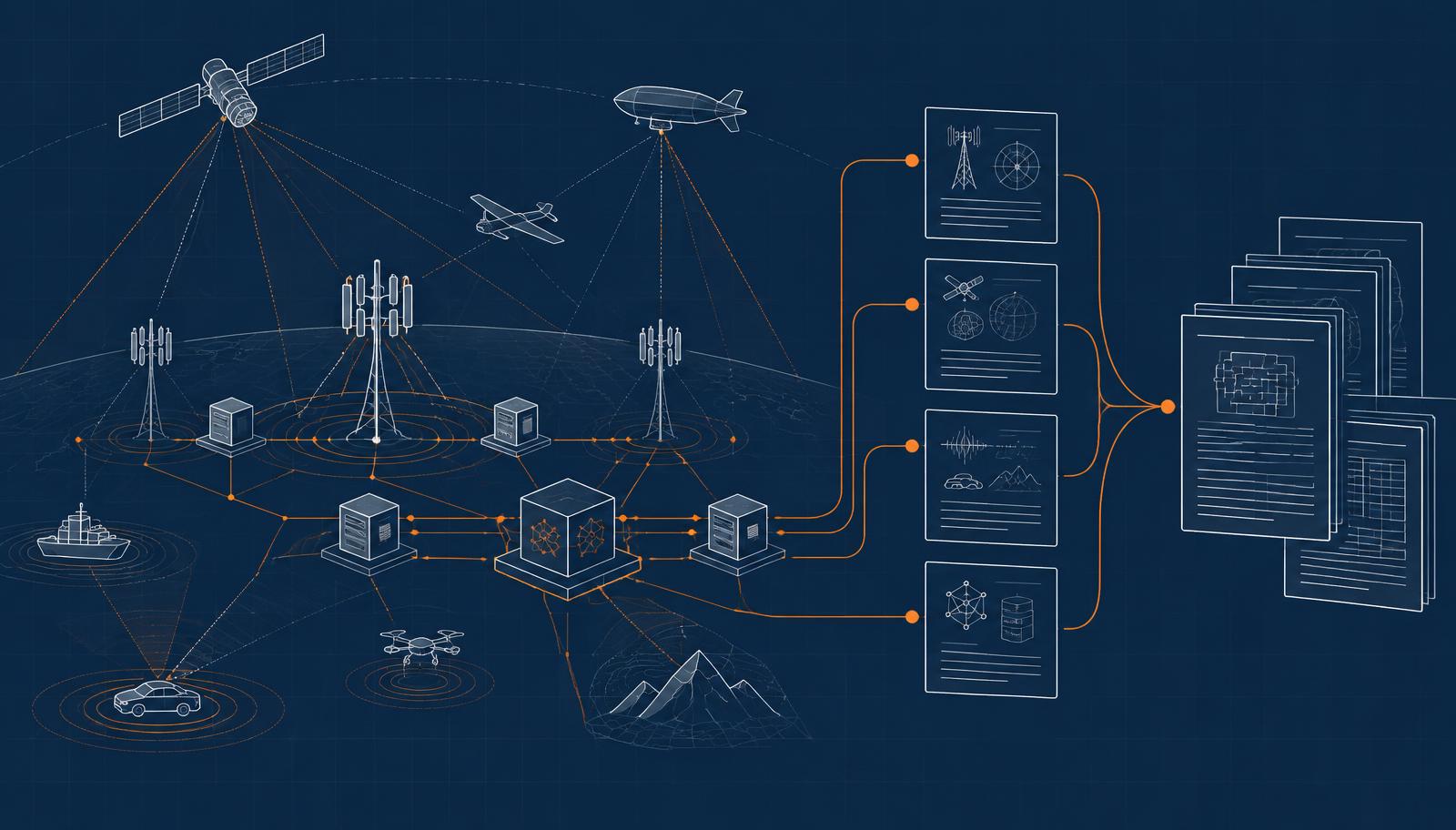
Illustrative technology-to-standards mapping concept · not actual patent findings
6G represents the next evolution of mobile communication systems, with research and standardisation activities exploring intelligent connectivity, integrated sensing, AI-native networks, advanced radio technologies and ubiquitous coverage.
As technical proposals, study activities and specifications evolve, patent stakeholders need to understand how emerging technologies relate to standardisation, patent claims and potential future essentiality.
6G patent intelligence requires more than identifying patent publications. It requires connecting technical contributions, evolving specifications, patent families, claim limitations and technology implementations through structured analysis.
01
Understand emerging 6G technologies, research directions and innovation clusters.
02
Track relevant ITU-R IMT-2030 and 3GPP standardisation activities.
03
Identify relevant patent families, applicants, technical claims and portfolio developments.
04
Evaluate the relationship between patent claims and applicable normative technical requirements as specifications develop.
Not every 6G-related patent is an SEP. A 6G technology patent, a patent declared as potentially essential and a patent assessed as essential to a specific mandatory standard requirement are three different things — and our analysis keeps them distinct.
Patent research coverage
A
AI is expected to be embedded across 6G radio and network functions, making machine-learning claims a central patent research theme.
B
Radio interface innovations typically attract dense patenting and are likely to anchor future 6G specification work.
C
High-frequency research is an active pre-standardisation area where early patent positions are still being formed.
D
ISAC is a candidate 6G usage scenario, and joint sensing-communication techniques are generating distinct claim themes.
E
Satellite and airborne connectivity extends 6G coverage ambitions and introduces specialised patent families.
F
Reconfigurable surfaces and extreme antenna systems are prominent in 6G research contributions and related filings.
G
Core network evolution shapes system architecture claims across cloud-native, slicing and orchestration domains.
H
Application-driven requirements influence which technical solutions become standardisation priorities.
Standardisation ecosystem
Standardisation status changes over time. We identify the specification version and publication date when discussing specific standards developments, and we do not present proposed or study-stage technologies as finalised 6G specifications.
6G SEP intelligence services
01
Identify patenting activity, technology trends and competitive positioning across emerging 6G technologies.
02
Research patent portfolios associated with emerging 6G standardisation areas and assess their relationship with applicable technical requirements.
03
Technical mapping of 6G patent claims against emerging standardisation requirements, technical specifications, and relevant contributions.
04
Develop structured claim charts connecting individual patent claim elements with relevant technical specification provisions.
05
Support technical evaluation of whether patent claims may correspond to mandatory requirements within applicable specifications.
06
Support patent owners and licensing stakeholders with structured intelligence for potential commercialisation opportunities.
Technical analysis does not independently constitute a legal determination of essentiality. Results depend on claim scope, applicable specification versions, jurisdiction and expert legal review.
From patent claims to standards evidence
01
Select relevant patent publications and granted patents.
02
Identify the relevant 3GPP or other standards document and version.
03
Locate the relevant mandatory normative provision.
04
Break the independent claim into individual technical limitations.
05
Connect each limitation with the relevant specification text.
06
Record clause numbers, technical references and supporting explanations.
07
Document missing elements, interpretive questions and technical uncertainties.
08
Deliver structured claim charts and qualified technical findings for further expert review.
Why now
Understand the relationship between patent portfolios and emerging standardisation activities.
Monitor technology ownership, relevant patent developments and potential IP considerations.
Identify patent opportunities across RF components, baseband processors, communication chipsets and advanced radio architectures.
Build structured technical evidence and assess potential licensing opportunities.
Access specialist patent research, standards mapping and claim charting capabilities.
Understand emerging patent activity and identify potential areas for differentiated innovation.
Related capabilities
Structured evaluation of standards-related portfolios and declaration landscapes.
Element-level claim charts connecting patent limitations to specification text.
Technical correlations between patent disclosures and standards requirements.
Technology, competitor and patent trend intelligence across defined domains.
Portfolio assessment, licensing strategy and evidence-of-use intelligence.
Focused evidence searches and analytics for defined patent questions.
Deeper technical insight into AI-native 6G patenting and intelligence modules.
Explore emerging AI-native control, analytics, orchestration and exposure functions.
Review NTN standards, declarations and claim-level evidence.
Work with us
Questions & answers
6G Standard Essential Patents are patents whose claims may be essential to implementing mandatory requirements of applicable 6G technical standards. Essentiality depends on the relevant specification, claim scope and technical assessment.
6G SEP analysis relates to the emerging IMT-2030 and 6G standardisation ecosystem, while 5G SEP analysis concerns established 5G specifications. The underlying technology domains, technical requirements and applicable specification versions differ.
3GPP develops technical specifications for cellular communication technologies. Its Release 20 activities include exploratory 6G studies, while Release 21 is part of the subsequent 6G specification development process.
It is the process of comparing patent claim limitations against relevant technical requirements and provisions in applicable 6G specifications.
No. A declaration or association with 6G research does not automatically establish that a patent is essential. A technical assessment must examine the claims against applicable mandatory specification requirements.
AI-native networks, AI-RAN, ISAC, sub-THz communications, advanced antenna systems, NTN, network architecture and other emerging wireless technologies are relevant research domains.
Hashi IP Solutions can support structured patent claim analysis, specification research, limitation-level mapping and technical evidence development for 6G-related SEP assessments.
Patent owners can begin by reviewing portfolio coverage, identifying relevant technology domains, monitoring standards development, evaluating patent claims and building technical evidence as applicable specifications evolve.